Arapaho National Forest spans over 1.5 million acres across the Colorado Rockies, making it one of the most accessible wilderness areas from Denver. Whether you're planning a ski trip to nearby resorts, a summer hike along the Continental Divide, or a fall foliage drive on Guanella Pass, choosing the right base town dramatically changes your experience. This guide breaks down the most practical hotel options across Georgetown, Idaho Springs, and Littleton - the three main gateways used by travelers targeting this forest.
What It's Like Staying Near Arapaho National Forest
Arapaho National Forest is accessed primarily via I-70, the main mountain corridor connecting Denver to the Rockies, meaning most gateway towns sit within around 90 minutes of Denver International Airport. Unlike resort-centric destinations such as Aspen or Telluride, the towns surrounding Arapaho - Georgetown, Idaho Springs, Silver Plume - function as working mountain communities rather than tourist bubbles, which keeps accommodation prices noticeably lower. Crowd pressure peaks sharply between late June and mid-September for hiking, and again from late November through March for skiing, leaving spring and late fall as genuinely quiet windows.
Travelers who benefit most from basing here are those combining forest recreation with day trips to Denver or the ski resorts on Berthoud Pass and Loveland. Those seeking après-ski nightlife or a polished resort atmosphere will find the I-70 corridor towns notably low-key, with limited dining options after 9 PM.
Pros:
- Direct I-70 access places trailheads, ski areas, and historic mining towns within a short drive of most accommodations
- Accommodation costs run significantly lower than comparable nights in Summit County ski resort towns
- Gateway towns like Georgetown and Idaho Springs offer authentic Colorado mountain-town character with real local services
Cons:
- Dining and entertainment options in Georgetown and Idaho Springs are sparse, especially midweek in shoulder season
- Most hotels near the forest require a car - there is no meaningful public transit into the national forest itself
- Altitude above 8,500 feet in Georgetown can cause acclimatization issues for visitors arriving directly from sea level
Why Choose a Hotel Near Arapaho National Forest
Hotels near Arapaho National Forest occupy a practical niche: they offer a real physical base for multi-day forest exploration without the premium pricing of dedicated ski resort lodging. In towns like Georgetown and Idaho Springs, hotel rates during peak summer weekends run around 40% less than equivalent nights in Breckenridge or Vail. Room sizes in these mountain-town hotels tend to be larger than urban Denver hotels at the same price point, and free parking - a genuine cost factor in Denver - is standard across almost all properties here.
The trade-off is that these are functional base-camp hotels rather than destination resorts. Expect limited on-site dining, fewer spa amenities, and a clientele that skews toward hikers, road-trippers, and skiers rather than leisure travelers. Extended-stay formats, like suite-style properties near Littleton, work particularly well for travelers combining forest access with Denver business or family visits.
Pros:
- Free parking is nearly universal, saving around $30 per night compared to downtown Denver hotel rates
- Proximity to I-70 trailheads means some forest entry points are reachable within 15 minutes of check-in
- Suite-style and extended-stay options allow self-catering, which is practical when dining options are limited after dark
Cons:
- On-site amenities like restaurants or spas are rare in the budget and mid-range segments near the forest
- Weekends in peak season see rapid sell-outs, especially in Georgetown where room inventory is limited
- Littleton-area hotels offer lower altitude and easier Denver access but add commute time into the forest itself
Practical Booking & Area Strategy for Arapaho National Forest
The clearest strategic split is between staying in Georgetown or Idaho Springs for immediate forest and mountain access, versus Littleton for Denver proximity with forest day trips. Georgetown sits at 8,530 feet on I-70's western approach, making it the closest incorporated town to Arapaho National Forest's most-visited zones including Guanella Pass, Scott Gomer Creek Trail, and the Loveland ski area corridor. Idaho Springs, at around 7,500 feet, is a practical middle-ground - slightly lower altitude, more dining options on Miner Street, and positioned equidistant between Denver and the forest's core recreation areas.
Littleton, by contrast, sits in the Denver metro at around 5,300 feet, offering Red Rocks Amphitheater and Dinosaur Ridge as nearby complements to forest day trips, but adding roughly 45 minutes of I-70 drive time into the forest on busy weekend mornings. Book Georgetown and Idaho Springs properties at least 6 weeks ahead for summer weekends and ski season holiday periods - inventory in these small towns is thin, and last-minute options are nearly nonexistent during peak demand.
Best Value Stays
These properties deliver the strongest combination of location, practical amenities, and accessible pricing for travelers using Arapaho National Forest as their primary destination.
-
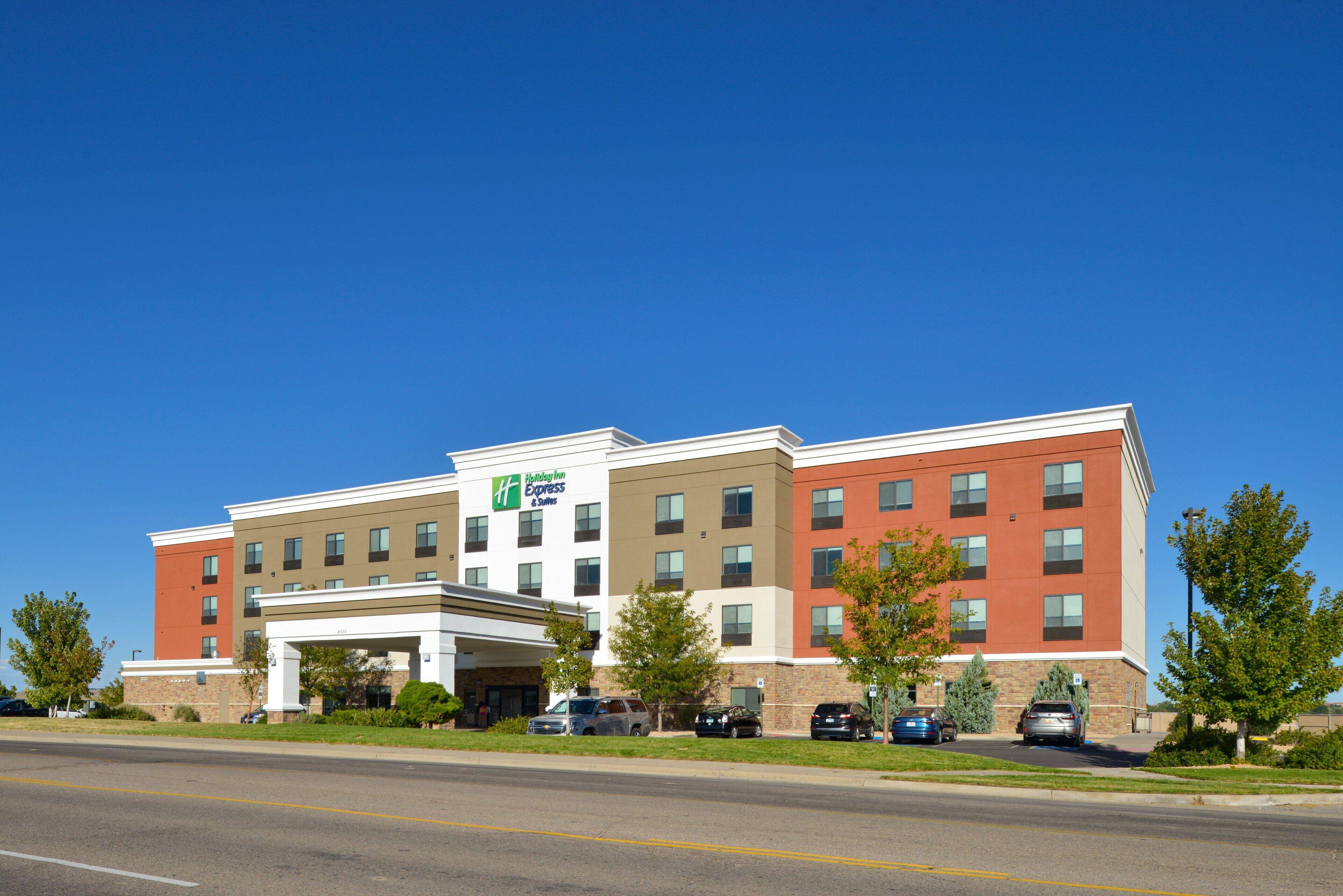
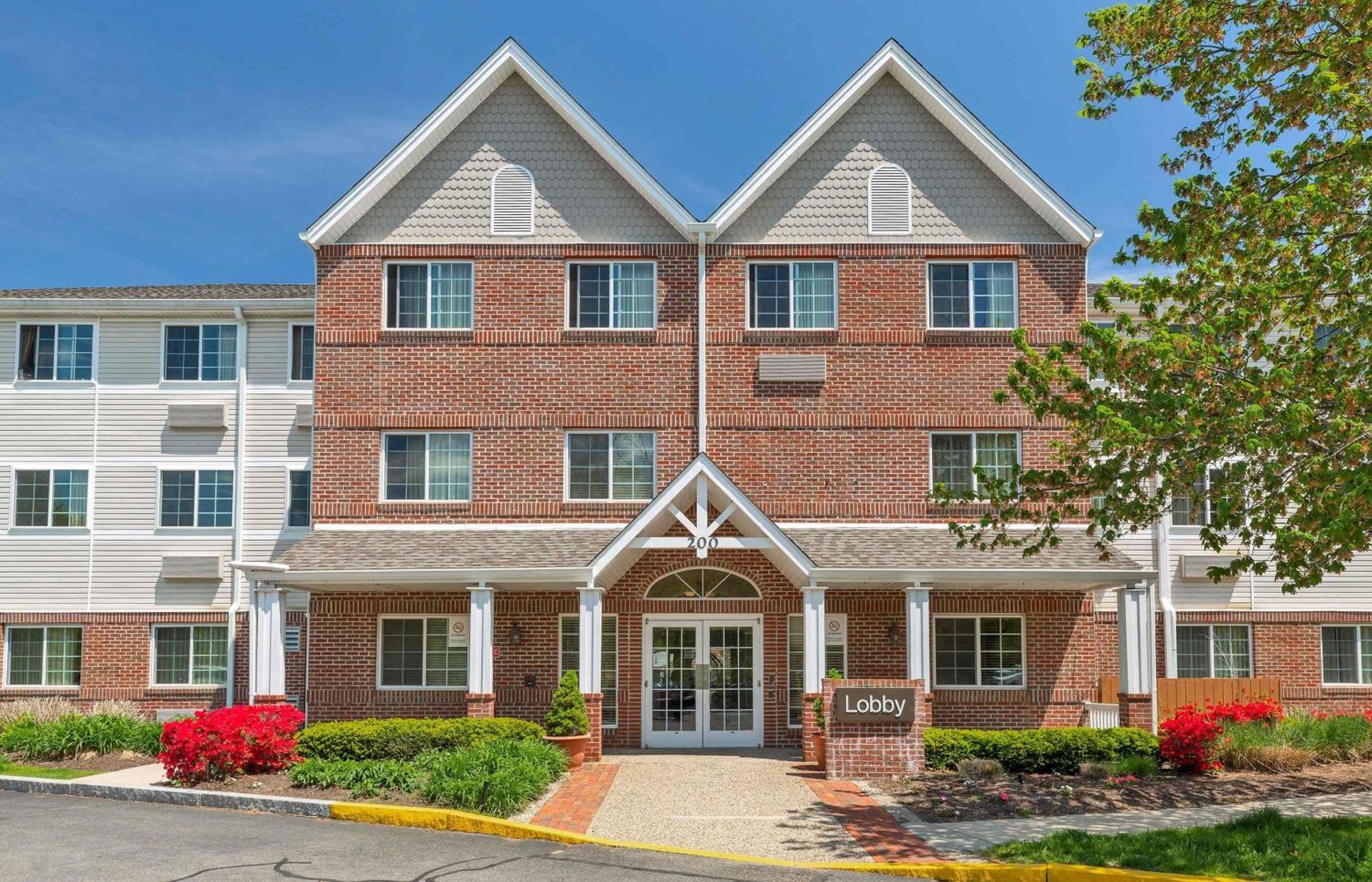
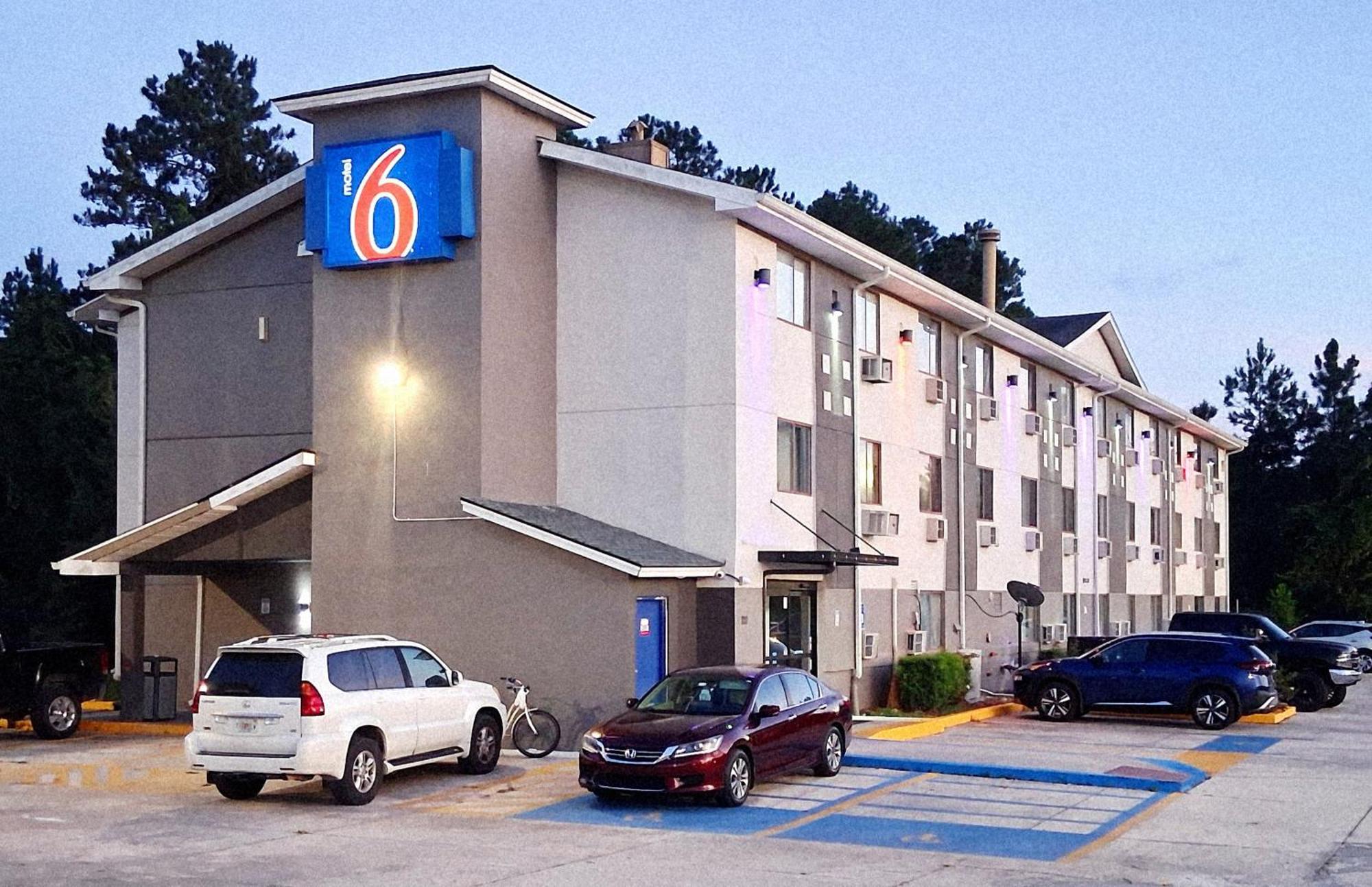
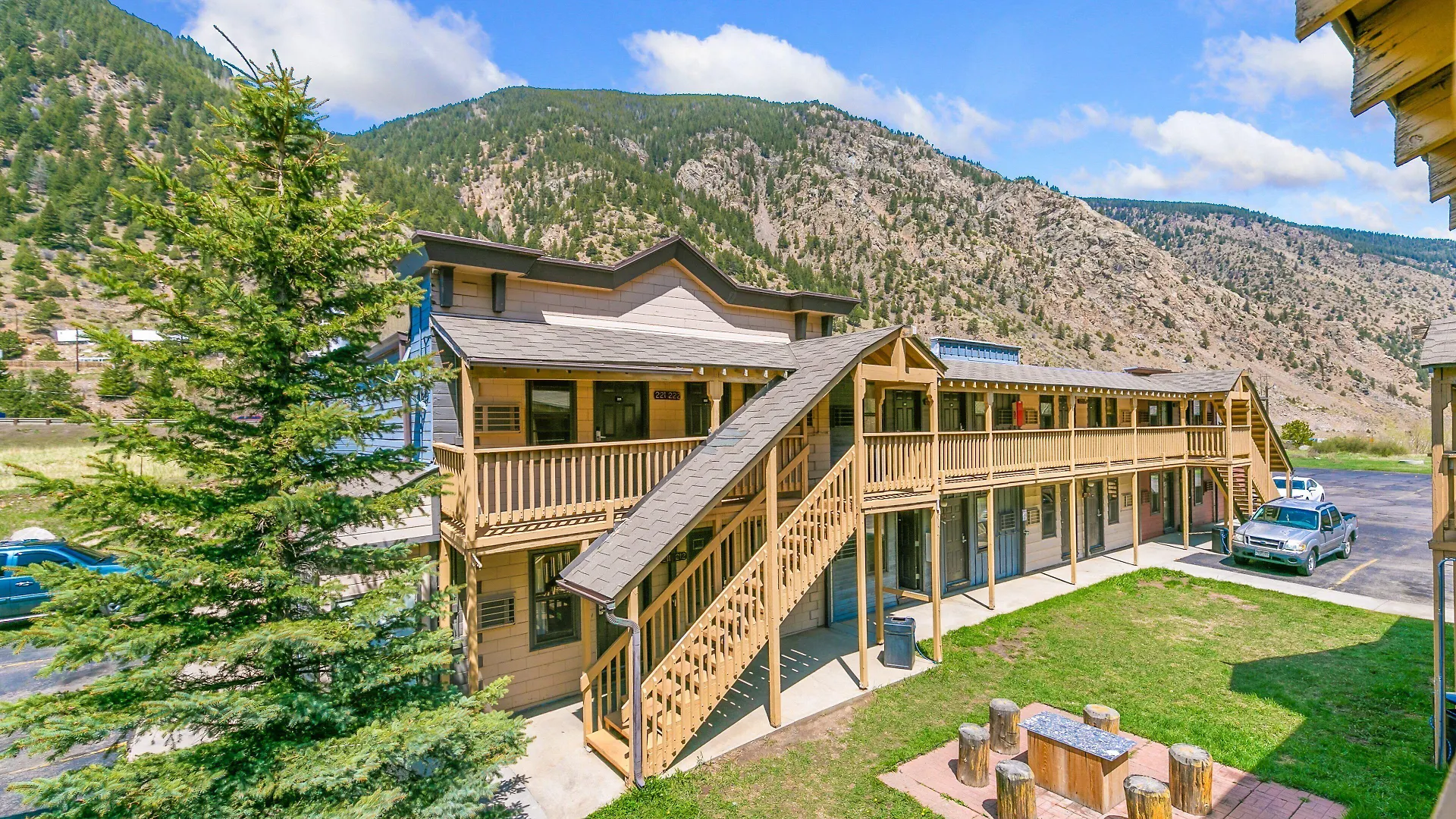
1. Georgetown Colorado Hotel
Show on map


 Check-infrom 15:00 until 23:59Check-outuntil 10:00
Just a few rooms left at the best rate!
fromUS$ 70
-
2. Argo Inn And Suites
Show on map


 Check-infrom 15:00 until 23:59Check-outuntil 11:00
Just a few rooms left at the best rate!
fromUS$ 89
-
3. Silver Inn
4.0212 reviewsShow on map


 Check-infrom 14:00 until 23:59Check-outuntil 11:00
Hurry – almost gone at this price!
fromUS$ 85
Best Extended-Stay Option
For travelers combining Arapaho National Forest day trips with extended Denver metro stays or family visits, this property offers the most flexible format at a lower nightly cost.
-
4. Woodspring Suites Littleton-South Denver
Show on map


 Check-infrom 15:00 until 23:59Check-outfrom 11:00 until 12:00
Rooms filling fast – secure the best rate!
fromUS$ 100
Smart Travel & Timing Advice for Arapaho National Forest
Summer (late June through early September) is the busiest period for Arapaho National Forest, driven by wildflower hiking, mountain biking, and 14er attempts on peaks like Mount Evans. Hotel rates in Georgetown and Idaho Springs spike sharply on Friday and Saturday nights during this window, while mid-week nights often drop noticeably. Late September through mid-October is the strategic sweet spot: aspen foliage peaks along Guanella Pass and Berthoud Pass, crowds thin significantly after Labor Day, and prices soften across all gateway properties.
Ski season from late November through March brings a second demand peak, concentrated around holiday weeks (Thanksgiving, Christmas, New Year, Presidents' Day). Booking during these periods requires at least 8 weeks of lead time for Georgetown and Idaho Springs properties given their limited room inventory. Spring (April through early June) is the quietest season - snow lingers on high trails but lower-elevation access roads are clear, and hotel rates hit their annual floor. A minimum stay of 2 nights makes the drive from Denver worthwhile for most travelers targeting serious forest activity.